Bills vs Browns Delay 2026: Lightning Suspension & Resumption Details
Everything behind the bills vs browns delay during the August 22, 2026 game in Cleveland. Examine the severe weather timeline, official NFL lightning safety protocols, stadium evacuation procedures, field condition impacts, and how both teams adjusted.
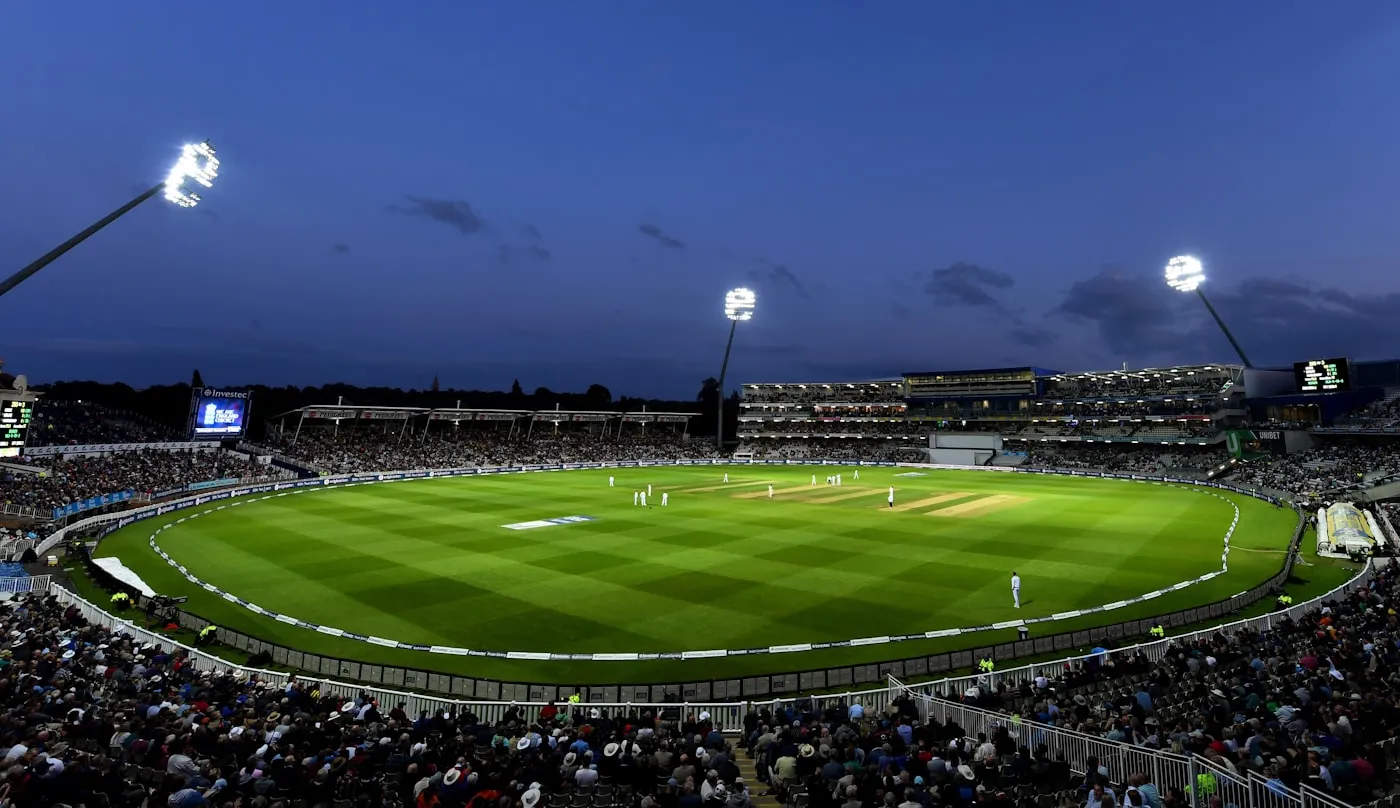
Severe lakefront weather patterns frequently impact open-air stadiums along Lake Erie.
1. Official Delay Status & Chronological Resumption Timeline
Understanding the bills vs browns delay begins with tracing the minute-by-minute events that unfolded shortly after kickoff at Huntington Bank Field in Cleveland, Ohio. Less than two minutes into the opening quarter, game officials suspended action due to lightning detected in the immediate vicinity.
Reporters on USA Today and Yahoo Sports confirmed that players and coaching staffs from both Buffalo and Cleveland retreated to locker rooms while fans sought shelter inside covered concourses.
1:00 PM ET: Kickoff under overcast skies and light rain.
1:10 PM ET: Referees halt play with 13:14 remaining in Q1 due to lightning within 8 miles.
1:45 PM ET: Weather radar shows thunder cell drifting east across Lake Erie.
2:00 PM ET: Teams return to field for mandatory 15-minute warm-up session.
2:15 PM ET: Play officially resumes with Buffalo driving inside Cleveland territory.
2. Stadium Weather Forecast & Severe Storm Impact in Cleveland
Huntington Bank Field sits directly on the shore of Lake Erie, making it extremely susceptible to sudden convective storm cells during mid-August afternoons. A humid warm front moving across northern Ohio collided with cooler air over Lake Erie, sparking localized thunderstorms right at game time.
Meteorological reports published on NFL.com noted winds gusting to 22 mph with heavy downpours that saturated the playing surface prior to play resuming.
3. NFL Severe Weather & Lightning Protocol Rules Explained
The National Football League enforces strict player and fan safety guidelines regarding lightning:
8-Mile Safety Zone: Play must stop immediately when lightning strikes within 8 nautical miles of the stadium bowl.
30-Minute Clock: Every subsequent lightning strike inside the 8-mile perimeter resets a mandatory 30-minute waiting period.
Locker Room Retreat: Teams must leave the sidelines completely to preserve safety and allow athletic trainers to monitor hydration.
Mandatory Warm-Up: Players receive at least 10 to 15 minutes of re-warmup time on the turf before official game clock restart.
4. Impact of Weather Delays on Player Safety, Turf & Game Strategy
Extended weather delays present unique challenges for coaches and players. Warm muscles cool down rapidly during a 65-minute stoppage, heightening hamstring and groin strain risks if warm-ups are rushed.
Buffalo head coach Sean McDermott and his conditioning staff kept players active inside the visitor tunnel with stationary bikes and stretching routines. The wet grass turf also altered offensive play-calling, prompting heavier relies on short passing concepts and north-south running behind power guard sets.
5. Fan Stadium Policies & Broadcast Resumption Guidelines
During severe stadium weather delays, venue guest services instruct fans to clear exposed aluminum bleachers and upper concourses. Concession stands and covered main walkways remain open, allowing attendees to stay dry.
Television broadcast partners (CBS local and NFL Network) fill delay periods with studio analysis and look-ins around other NFL preseason action until stadium cameras confirm teams returning to the sideline.
Case Study: The Actual Lightning Delay in Cleveland
This page's guidance stopped being hypothetical on August 22. Severe weather moved over Huntington Bank Field shortly after kickoff, forcing both teams off the field before the game found any rhythm — the Democrat & Chronicle described how quickly officials cleared the field once strikes registered inside the detection radius. Light rain had been falling at kickoff, per USA Today's tracker, before the storm cell intensified directly over the lakefront stadium.
The Browns announced a resumption time of 2:15 p.m. Eastern roughly forty minutes after the suspension — a turnaround that matches the standard league protocol almost exactly, and a useful real-world benchmark for how long fans should budget when they see lightning hold up a game they are attending or watching.
The League's Lightning Protocol, Explained
The NFL's severe-weather procedure is uniform across venues: when lightning is detected within a set radius of the stadium — typically eight miles under modern policy — officials suspend play immediately regardless of game state, and the clock does not restart until thirty minutes have elapsed without another strike inside the zone. Each new strike resets the countdown entirely, which is why some delays stretch past two hours while others resolve in a single quiet window.
Stadium operations use layered detection — National Weather Service feeds plus on-site monitoring — and the decision belongs to the officiating crew and stadium security, not the teams. For fans in the stands, the practical sequence is consistent: announcements direct spectators to concourse shelter, outdoor bowls empty completely, and concession areas stay open. In Cleveland's case the system worked precisely as designed, and the resumption announcement came through team social channels before many broadcast partners had updated their graphics.
How a Delay Reshapes an August Game Plan
Preseason delays create evaluation chaos that regular-season games rarely face. Rosters planned around scripted rep distributions must re-warm on compressed timelines, and coaches frequently compress their remaining snap allocations so bubble players still get their audition tape. Conditioning becomes the hidden storyline: backups who expected twenty snaps may get thirty-five, while specialists' routines — kickers above all — are disrupted in ways that show up in the box score.
Buffalo emerged from the stoppage better than Cleveland did, pulling away 31-7 after play resumed, a result our prediction and recap breakdown covers from a betting perspective. For planning purposes, bookmark this page for future storm-threatened kickoffs and check the full Bills Schedule 2026 hub for every date ahead.
The Fan Safety Checklist for Delay Games
Attending a game that goes into lightning delay requires decisions faster than stadium announcements sometimes allow. The protocol worth internalizing: move to the concourse immediately when the field clears — the open bowl becomes the most dangerous location on the property once strikes register within eight miles; avoid standing near railings and large glass panels during high winds; and expect concession lines to explode, because thousands of people suddenly have nothing to do but eat and drink.
The resumption signal is official: play restarts thirty minutes after the last strike within the detection radius, announced through stadium PA and team channels. Smart attendees use the delay window to relocate to covered seats rather than returning to exposed positions — resumption does not mean the weather cell has fully passed, only that it has moved far enough away to resume.
The Betting Angle: How Delays Reshape Markets
Sportsbooks handle weather delays with less grace than fans expect. Most operators suspend live wagering during the stoppage but keep pregame tickets standing — meaning bettors who locked Cleveland -3 before kickoff rode out a forty-minute interruption and watched their side lose outright anyway. Live totals bettors face the trickier mechanics: extended delays historically depress scoring in the first quarter after resumption, as both offenses re-warm, which makes second-half under positions quietly valuable in delay games.
The sharper lesson from this specific game: Buffalo's backups emerged from the stoppage visibly sharper than Cleveland's mix of starters and reserves, converting re-warm asymmetry into the 24-point final margin. Whether that was conditioning philosophy, scripted rotation management, or simple variance, professional bettors have long tracked which coaching staffs handle interruptions well — because some teams treat delays as momentum resets while others treat them as disruptions to survive.
Home Viewing During Delays: What Your Screen Shows
Television viewers experience weather delays differently than stadium attendees, and knowing what to expect prevents unnecessary channel-flipping. National broadcasts typically cut to studio hosts who fill time with analysis replays; local affiliate feeds sometimes switch to alternate programming entirely; and streaming platforms handle suspensions least gracefully — some freeze on the last frame while others drop to error screens that look like outages rather than delays.
The reliable information hierarchy during any stoppage: official team social accounts first (they announce resumption targets before broadcast partners update), then league delay trackers, then broadcast studio segments. The Cleveland resumption followed this exact sequence — announced through team channels well before national graphics caught up.
The Stadium Experience Guide for Delay-Prone Venues
Lakefront stadiums like Huntington Bank Field carry documented weather patterns that regular attendees plan around as routine. August afternoons generate pop-up cells that form and dissipate within hours; September brings the first cold-front systems with sustained wind; and by November, lake-effect precipitation becomes the operational default. Season-ticket veterans pack for all three scenarios regardless of forecast confidence.
The venue-specific knowledge that matters: concourse shelter locations by section number, which gates reopen first after delays (staff flow management), and the unwritten rule that concession queues move fastest during the first ten minutes of any suspension — before everyone realizes how long the stoppage might last.
 BUF
BUF MIA
MIA BEARS
BEARS STEELERS
 PANTHERS
 CARDINALS
 JAGUARS
 RAVENS